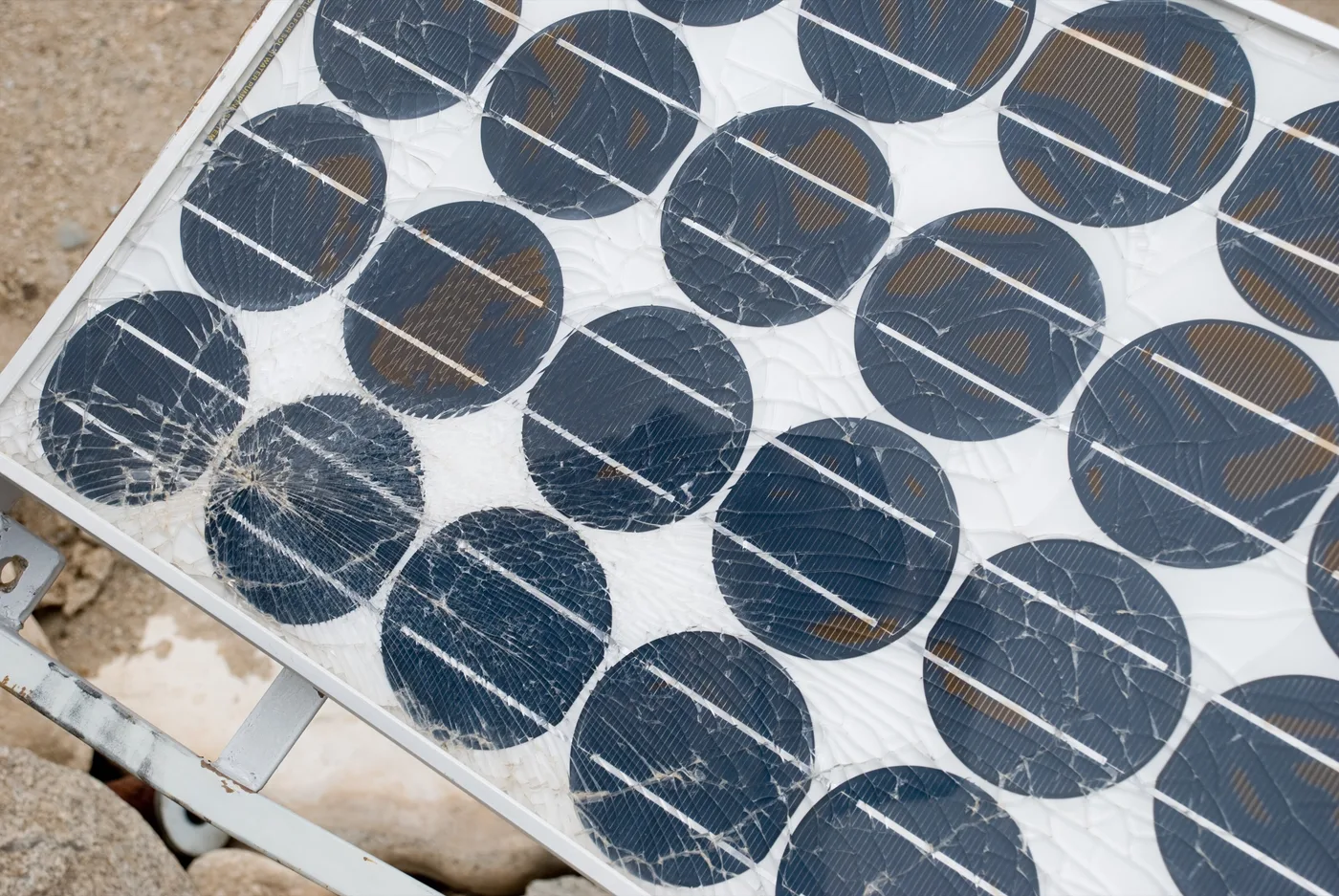
Marks cracks in the panel glass
Cracks, broken glass, burn marks and delamination are boxed on the panel and sent to maintenance.
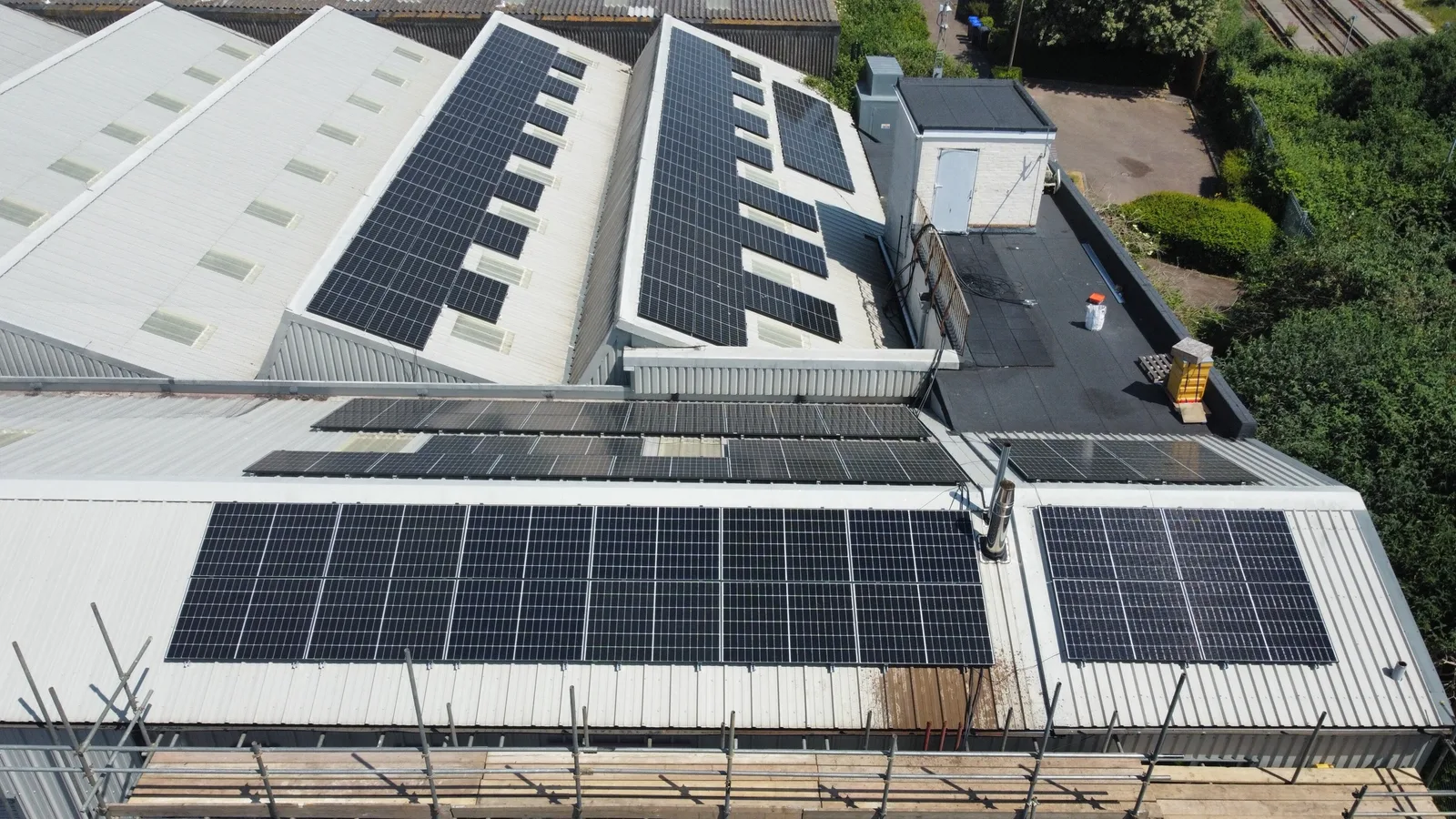
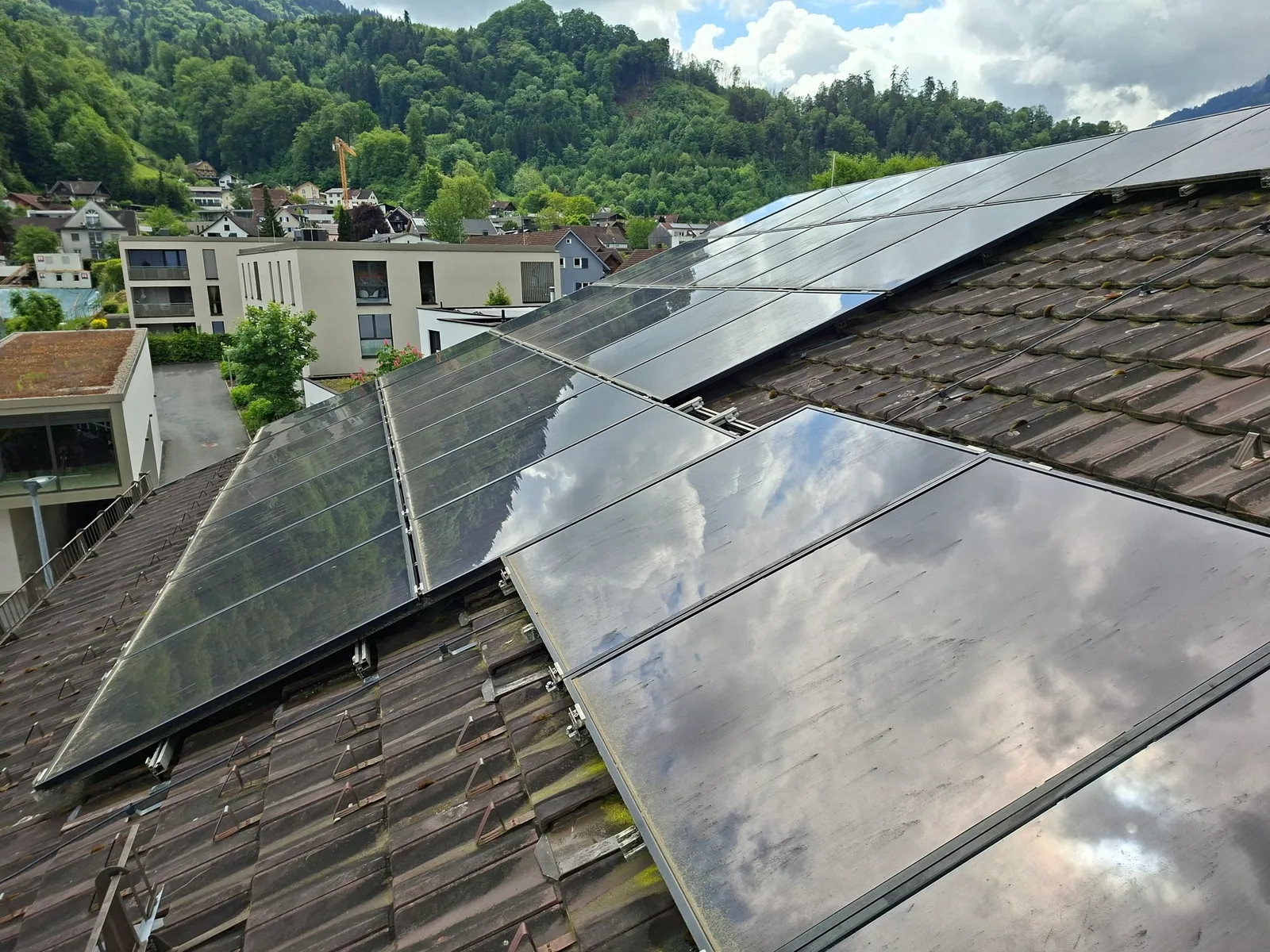
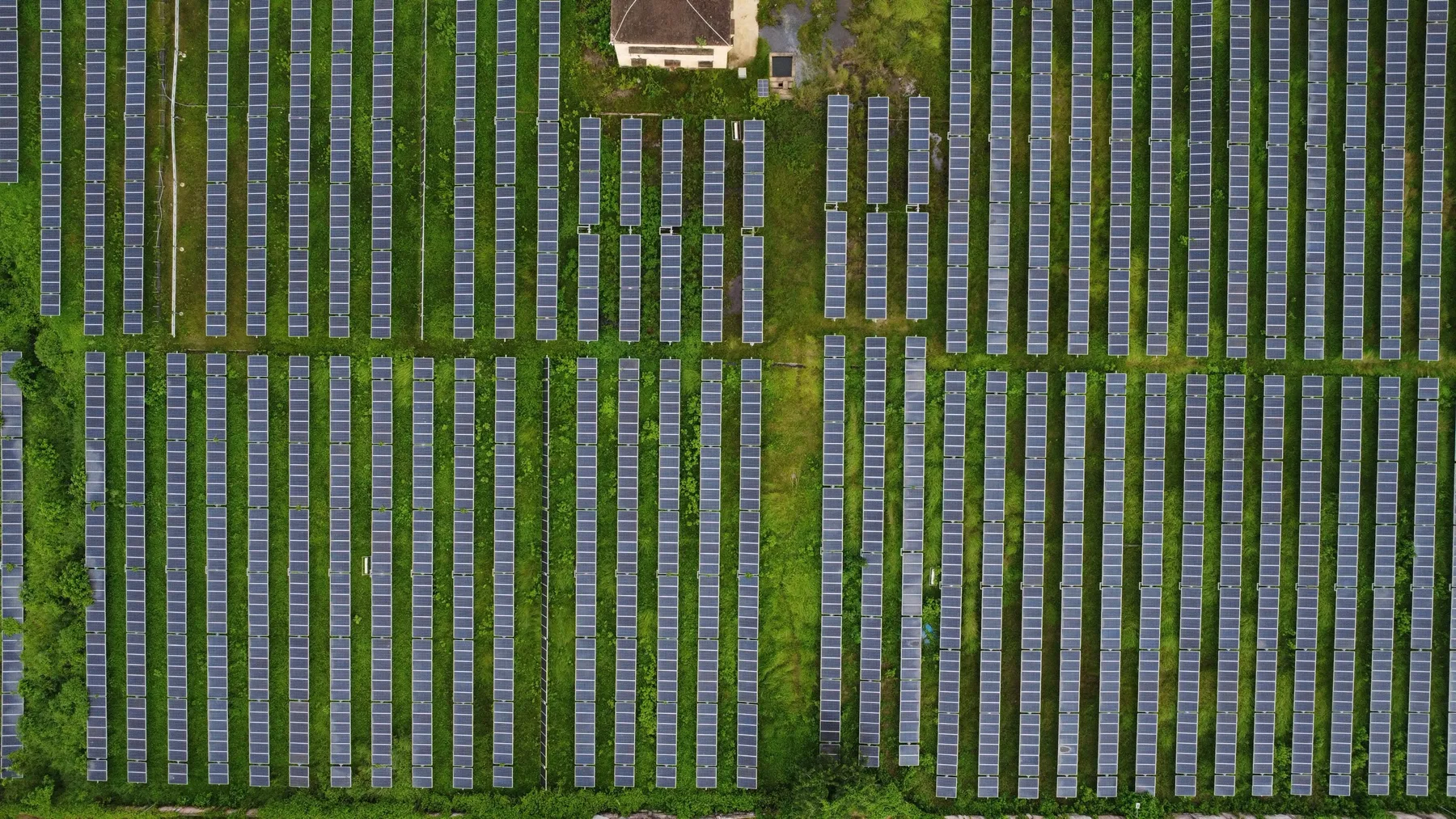
Upload drone, phone or thermal photos. SolPop outlines every panel, gives it a dirt score from 0 to 100 and marks cracks and hotspots.
Pick a panel in the list: its outline shows on the photo, with the dirt score, dirt type, defects, estimated power loss and the cleaning action.
Cracks, broken glass, burn marks and delamination are boxed on the panel and sent to maintenance.
A spot 10 K or more above its panel's median counts as a hotspot, as in IEC TS 62446-3.
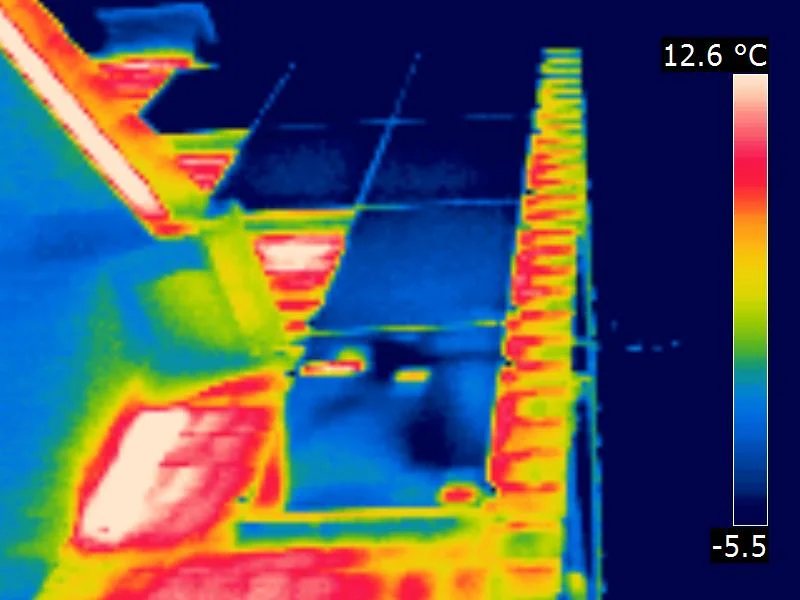
FLIR and DJI radiometric frames and CSV temperature grids load beside ordinary photos.
Every run is kept with its photos and panel results, ready to download and share.
Fly a drone over the plant, or take phone or thermal photos on the roof. A whole row or one panel close up both work.
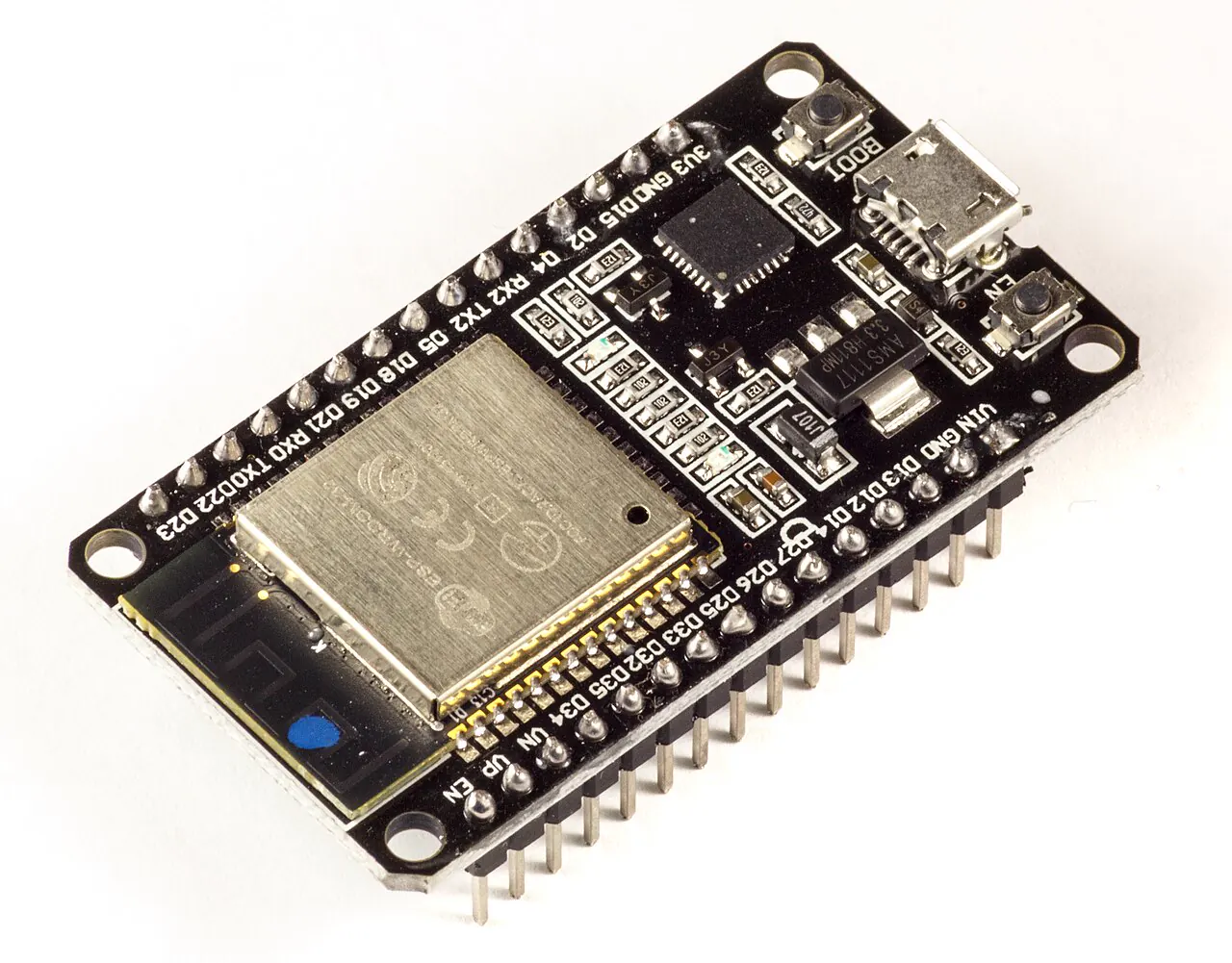
An ESP32 base station takes the drone's LoRa link, reads its BMP280, runs the pump and servo and posts telemetry every 5 seconds.
SolPop outlines each panel, scores its dirt, names the dirt and any defect, flags hotspots and estimates the power lost.
Each panel gets an action, from no action to maintenance. On campus the cleaning plan dates every block against the weather.
Each panel is cut out of the photo and compared with clean glass in CIELAB colour (ΔE2000): how much of it is covered, how opaque the film is, how much contrast is lost, how many spots.
A pretrained vision model grades the same panel without training for this task. The score is 70% pixels and 30% vision.
SolPop plans the cleaning of the 2,952 kWp plant in Patiala: 25 blocks, 35 inverters and Trina 610 W modules, from plant data since July 2025 and ERA5 and CAMS weather.
The savings audit puts the realistic gain at ₹91,011 a year (range ₹0 to ₹5.54 lakh), cleaning every 31 dry days or so. Downtime costs more than dust: about ₹7.8 lakh a year, 81,735 kWh lost over 295 days.